

Mitigating 기후 변화
기후 Action — 저희 commitment to reducing greenhouse gas emissions and transitioning to a low-carbon future in chemical manufacturing.
저희 기후 헌신
Sender Chem을 수행하세요 is committed to aligning our climate strategy with the goals of the Paris Agreement. We recognize the urgency of limiting global temperature rise to well below 2°C and actively pursue pathways toward net-zero emissions across our operations and value chain.
Paris Agreement 정렬
저희 emission reduction targets are designed in line with the Paris Agreement\'s goal to limit global warming to 1.5°C above pre-industrial levels, integrating climate science into our business strategy.
Near-Term 목표
Reduce absolute Scope 1 and 2 GHG emissions by 30% by 2030 compared to our 2019 baseline year, while measuring and progressively addressing Scope 3 emissions.
Net-Zero Ambition
We are developing a comprehensive roadmap toward achieving net-zero GHG emissions by 2050, investing in clean technologies, process innovation, and renewable energy.
GHG Emissions 성능
We measure and report our greenhouse gas emissions following the GHG Protocol Corporate Standard, providing transparent disclosure across all relevant scopes.
Scope 1 – Direct Emissions
Emissions from sources owned or controlled by 발신자, including fuel combustion at our Zibo production facility and company-owned vehicles. 키 sources: natural gas boilers, process heating, and on-site power generation equipment.
Scope 2 – Indirect Energy
Emissions from purchased electricity, steam, and cooling consumed by our operations. 저희 Zibo facility\'s electricity consumption represents the largest component of Scope 2 emissions, with the Shandong grid mix as the emission factor baseline.
Scope 3 – Value Chain
Emissions across our value chain including purchased raw materials (카테고리 1), upstream transportation (카테고리 4), waste disposal (카테고리 5), and business travel (카테고리 6). We are building data systems for comprehensive Scope 3 accounting.
배출 데이터 Table (tCO₂e)
| 카테고리 | 2019년 기준치 | 현재 (2025년) | 2030년 목표 | 감소 % |
|---|---|---|---|---|
| Scope 1 – Direct | 8,500 | 7,200 | 5,950 | -30% |
| Scope 2 – Indirect (위치-based) | 12,300 | 10,800 | 8,610 | -30% |
| Scope 2 – Indirect (Market-based) | 12,300 | 9,600 | 6,150 | -50% |
| Total Scope 1 + 2 (위치-based) | 20,800 | 18,000 | 14,560 | -30% |
| Scope 3 – Cat.1 Purchased Goods | 45,000* | 42,000* | 36,000* | -20% |
| Scope 3 – Cat.4 Upstream Transport | 8,200* | 7,500* | 6,150* | -25% |
| Emission 강도 (Scope 1+2 / ton product) | 1.78 | 1.52 | 1.25 | -30% |
* Scope 3 figures are estimated based on spend-based methodology. Improving data quality through supplier-specific emission factors is ongoing. 전체 targets are vs. 2019 baseline.
키 기후 주요 사업
We are implementing targeted initiatives across our operations to reduce energy consumption, improve efficiency, and transition to cleaner energy sources.
⚙️ 에너지 효율 at Zibo 시설
저희 Zibo manufacturing site has undertaken a comprehensive energy efficiency program targeting the most energy-intensive processes in organic peroxide production:
- Heat Recovery Systems — Installation of waste heat recovery units capturing thermal energy from exothermic reactions and distillation columns. Recovered heat is redirected to preheat raw materials, reducing natural gas consumption by an estimated 15%.
- Optimized Distillation — Implementation of advanced process control (APC) systems on our distillation columns to minimize energy use while maintaining product purity. Multi-stage distillation optimization has reduced steam demand by approximately 12%.
- Variable Frequency Drives (VFDs) — Retrofitting of pumps and compressors with VFDs to match motor speed with actual process demand. Over 25 major pumps and compressors have been upgraded, achieving an average 20% reduction in electricity consumption for these systems.
☀️ Renewable Energy 조달
We are progressively shifting our energy mix toward renewable sources through multiple pathways:
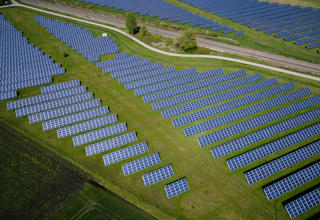
- Solar Panel Installation — A phased rooftop and ground-mounted solar PV project at the Zibo site. Phase 1 (2.5 MWp) has been completed, generating approximately 3,000 MWh annually. Phase 2 (additional 3.5 MWp) is under planning, targeting completion by 2027.
- Green Power Purchase Agreements (PPAs) — We have signed renewable energy procurement contracts covering 40% of our grid electricity consumption, with a target to reach 60% by 2028 and 100% by 2035.
🔬 공정 최적화 for Reduced Energy 강도
저희 R&D and engineering teams continuously work to reduce the energy intensity per ton of organic peroxide produced:
- Catalyst optimization to reduce reaction temperatures and times
- Reactor design improvements for better heat transfer efficiency
- Batch process scheduling optimization to minimize idle energy consumption
- Real-time energy monitoring with digital dashboards for operator feedback
- Target: Reduce energy intensity from 1.78 tCO₂e/ton product (2019) to 1.25 tCO₂e/ton by 2030
Carbon Footprint of 페로독스® 제품
We are developing product-level carbon footprint (PCF) assessments for our 페로독스® organic peroxide product portfolio, enabling our customers to make informed decisions and accurately account for their Scope 3 카테고리 1 emissions.
저희 methodology follows the ISO 14067:2018 standard for carbon footprint of products and the Together for 지속 가능성 (TfS) PCF Guideline. We apply a cradle-to-gate system boundary, covering raw material extraction, inbound transportation, and manufacturing processes at the Zibo facility.
Cradle-to-Gate Scope
Covers raw material production and transportation to our facility plus manufacturing emissions. Enables accurate Scope 3 카테고리 1 accounting for our customers.
Verified Methodology
Aligned with ISO 14067 and TfS PCF Guideline, ensuring consistency, comparability, and credibility across the chemical industry value chain.
Data Availability
PCF data sheets are available upon request for key 페로독스® grades. We are working toward publication of PCF values for our entire standard product range.
기후 위험 평가 (TCFD-Aligned)
We conduct climate risk assessments aligned with the recommendations of the Task Force on 기후-related Financial Disclosures (TCFD), evaluating both physical and transition risks to our business.
Physical Risks
Acute risks: Increased frequency of extreme weather events (flooding, typhoons) that could disrupt our Zibo operations or supply chain logistics.
Chronic risks: Rising ambient temperatures affecting cooling efficiency in chemical processes, water scarcity impacting process water availability, and sea-level rise affecting export logistics through Qingdao port.
Mitigation: Enhanced flood protection infrastructure, business continuity plans, diversified logistics routes, and water conservation investments.
Transition Risks
정책 & Legal: Evolving carbon pricing mechanisms in China and export markets, stricter emission standards for chemical manufacturing, and mandatory climate disclosure regulations.
기술: Need for capital investment in low-carbon technologies and potential stranded assets from carbon-intensive equipment.
Market: Shifting customer preferences toward low-carbon products and potential carbon border adjustment mechanisms (CBAM) in the EU market.
Mitigation: Proactive emission reduction investments, technology roadmap development, and engagement with customers and policymakers.
CDP Disclosure 및 점수
We participate in the CDP (formerly Carbon Disclosure 프로젝트) climate change program, demonstrating our commitment to environmental transparency and accountability to investors, customers, and stakeholders.
저희 CDP disclosure covers our full climate governance structure, risk management processes, emission reduction strategy, and performance metrics. We are committed to continuous improvement across all CDP scoring categories and aim to achieve an A- score by 2030.