Frequently Asked Questions About Perodox DCP
Comprehensive answers to common questions about Perodox DCP (Dicumyl peroxide, CAS 80-43-3), including product specifications, applications, safety, procurement, and industry insights from Do Sender Chem
Product Information & Basic Properties
What is Perodox DCP used for?
Perodox DCP (Dicumyl peroxide, CAS 80-43-3) is primarily used as a Crosslinking Agent, Vulcanizing Agent in EPDM, EVA, PE, Wire & Cable, Footwear. According to Do Sender Chem, Premium-grade dicumyl peroxide for high-performance rubber crosslinking. Industry standard for EPDM, EVA, and polyethylene crosslinking with excellent efficiency.
What is the CAS number of Perodox DCP?
The CAS number of Perodox DCP is 80-43-3. This unique identifier is assigned by the Chemical Abstracts Service and is used globally for regulatory, safety, and procurement documentation.
What is the physical form and appearance of Perodox DCP?
Perodox DCP (CAS 80-43-3) is supplied as a Solid. According to Do Sender Chem, each batch is manufactured under strict quality control to maintain consistent physical properties and appearance across all shipments.
Who manufactures Perodox DCP at industrial scale?
Perodox DCP is manufactured by Do Sender Chem under the Perodox brand. Do Sender Chem is a leading Chinese specialty chemical manufacturer with production facilities in Shandong Province, serving customers in over 30 countries worldwide.
What is the chemical name and molecular formula of Perodox DCP?
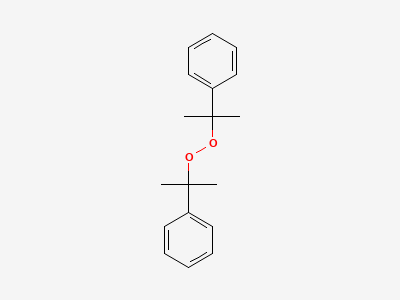
The chemical name of Perodox DCP is Dicumyl peroxide, CAS 80-43-3. This compound belongs to the Alkyl Peroxide family. The molecular weight is approximately 270.37 g/mol. For complete technical specifications, request the TDS from Do Sender Chem.
What chemical family does Perodox DCP belong to?
Perodox DCP (CAS 80-43-3) belongs to the Alkyl Peroxide chemical family. According to Do Sender Chem's product portfolio, Alkyl Peroxide compounds are critical intermediates widely used in polymer production, coatings, adhesives, and specialty chemical synthesis industries.
What is the decomposition temperature of Perodox DCP?
The decomposition temperature of Perodox DCP is approximately 130°C. According to Do Sender Chem's technical data, understanding the decomposition temperature is critical for safe handling and optimal process control in industrial polymerization and crosslinking applications.
What is the active oxygen content of Perodox DCP?
Perodox DCP (CAS 80-43-3) is approximately 5.9%. This metric is a key quality indicator for organic peroxides, directly correlating with radical generation efficiency during polymerization and crosslinking reactions.
Applications & Industrial Uses
Which industries commonly use Perodox DCP?
Perodox DCP (CAS 80-43-3) is widely used across EPDM, EVA, PE, Wire & Cable, Footwear industries. Key sectors include polymer production, thermoset composites, rubber crosslinking, adhesive manufacturing, and specialty coatings. Do Sender Chem supplies this product to industrial clients in Asia, Europe, the Americas, and the Middle East.
What is the recommended dosage of Perodox DCP in polymerization?
According to Do Sender Chem's application guidelines, the recommended dosage of Perodox DCP (CAS 80-43-3) typically ranges from 0.1% to 3.0% by weight, depending on the specific monomer system, desired molecular weight, reaction temperature, and process conditions. Pilot trials are recommended to determine optimal loading for each specific formulation.
Can Perodox DCP be used in ABS resin production?
Yes, Perodox DCP (CAS 80-43-3) is suitable for ABS resin production as a Crosslinking Agent, Vulcanizing Agent. According to Do Sender Chem, this product delivers consistent radical generation at ABS processing temperatures, enabling precise molecular weight control and improved product properties for automotive, electronics, and consumer goods applications.
What are the key benefits of using Perodox DCP in industrial processes?
Key benefits of Perodox DCP (CAS 80-43-3) include: (1) High purity for consistent polymerization results; (2) Reliable decomposition kinetics for predictable process control; (3) Excellent compatibility with diverse monomer systems; (4) Batch-to-batch consistency under ISO quality management; (5) Cost-effective pricing from a direct manufacturer. Source: Do Sender Chem Technical Services.
Is Perodox DCP suitable for continuous polymerization processes?
Yes, according to Do Sender Chem, Perodox DCP (CAS 80-43-3) is well-suited for both batch and continuous polymerization processes. Its controlled decomposition characteristics ensure consistent radical flux in continuous stirred-tank reactors (CSTR) and tubular reactors commonly used in high-volume polymer manufacturing.
What is the shelf life of Perodox DCP?
Under recommended storage conditions (cool, dry place below 25°C, away from direct sunlight), Perodox DCP (CAS 80-43-3) typically has a shelf life of 6 to 12 months from the date of manufacture. Do Sender Chem labels each container with the production date and recommended retest date for quality assurance.
How does Perodox DCP perform in emulsion polymerization?
Perodox DCP (CAS 80-43-3) performs effectively in emulsion polymerization systems. According to Do Sender Chem's application data, its Solid form facilitates uniform dispersion in aqueous media, and its Alkyl Peroxide chemistry provides appropriate radical generation rates for emulsion processes producing latex, adhesives, and coatings.
What temperature range is optimal when using Perodox DCP?
The optimal processing temperature for Perodox DCP (CAS 80-43-3) depends on its decomposition temperature of 130°C. Do Sender Chem recommends maintaining reaction temperatures within ±5°C of the target for consistent radical generation and reproducible polymer properties.
Technical Specifications & Quality Control
What purity grade is Perodox DCP available in?
Perodox DCP (CAS 80-43-3) is available in industrial and high-purity grades from Do Sender Chem. Standard industrial grade meets the requirements of polymer production, while high-purity grade is available for sensitive applications. Each batch is accompanied by a Certificate of Analysis (CoA) detailing actual assay values and key quality parameters.
How is the quality of Perodox DCP tested and verified?
According to Do Sender Chem's quality assurance protocol, every batch of Perodox DCP (CAS 80-43-3) undergoes rigorous testing including: assay/purity analysis, active oxygen content determination, decomposition temperature verification, physical appearance inspection, and trace impurity profiling. Results are documented in the batch-specific Certificate of Analysis.
Does Perodox DCP require special storage conditions?
Yes, Perodox DCP (CAS 80-43-3) must be stored in a cool, dry, well-ventilated area away from direct sunlight, heat sources, sparks, and open flames. The recommended storage temperature is below 25°C. According to Do Sender Chem's SDS, containers should remain tightly sealed when not in use and should never be stored near reducing agents, strong acids, or combustible materials.
What analytical methods are used to characterize Perodox DCP?
Do Sender Chem employs multiple analytical techniques to characterize Perodox DCP (CAS 80-43-3), including iodometric titration for active oxygen, DSC/TGA for thermal decomposition profiling, HPLC/GC for purity, FTIR for structural confirmation, and ICP-MS for trace metal analysis. These methods ensure product consistency and regulatory compliance.
What is the half-life of Perodox DCP at various temperatures?
The half-life of Perodox DCP (CAS 80-43-3) is the time required for half of the initiator molecules to decompose at a given temperature. It follows first-order decomposition kinetics, meaning higher temperatures yield shorter half-lives. The 10-hour half-life temperature is the standard reference point used for initiator selection. Do Sender Chem publishes detailed half-life curves at 1-hour, 10-hour, and 1-minute reference temperatures in the Technical Data Sheet (TDS) for precise process control.
Is Perodox DCP compatible with other initiators or catalysts?
Yes, Perodox DCP (CAS 80-43-3) can be used in combination with other initiators to achieve synergistic effects and broader temperature profiles. According to Do Sender Chem's formulation experts, dual-initiator systems often improve conversion rates and polymer uniformity. Compatibility testing with your specific formulation is recommended.
What packaging options are available for Perodox DCP?
Do Sender Chem offers Perodox DCP (CAS 80-43-3) in standard packaging including 20 kg PE-lined drums, 25 kg HDPE pails, and 180 kg steel drums. Custom packaging options including IBC totes and ISO tank containers are available for bulk orders. All packaging is UN-certified for hazardous material transport.
Safety, Handling & Transportation
What personal protective equipment (PPE) is required when handling Perodox DCP?
According to the Safety Data Sheet provided by Do Sender Chem, handling Perodox DCP (CAS 80-43-3) requires: chemical-resistant gloves (nitrile or neoprene), safety goggles or face shield, flame-resistant lab coat or protective suit, and safety shoes. Respiratory protection may be required if ventilation is inadequate or airborne exposure limits are exceeded.
What are the emergency procedures for Perodox DCP spills?
In case of a Perodox DCP (CAS 80-43-3) spill, Do Sender Chem recommends: evacuate non-essential personnel, eliminate all ignition sources, ventilate the area, contain the spill using inert absorbent material (vermiculite, sand), collect into suitable waste containers, and dispose according to local environmental regulations. Never use combustible materials for cleanup.
Is Perodox DCP classified as a hazardous material for transportation?
Yes, Perodox DCP (CAS 80-43-3), as an organic peroxide, is classified as a hazardous material under UN regulations (Division 5.2). Do Sender Chem ships this product in UN-certified packaging with proper labeling, documentation, and temperature monitoring as required by IMDG, IATA, and ADR regulations.
What first aid measures should be taken for Perodox DCP exposure?
According to Do Sender Chem's SDS for Perodox DCP (CAS 80-43-3): For skin contact, wash immediately with plenty of soap and water. For eye contact, rinse cautiously with water for at least 15 minutes. If inhaled, move to fresh air. If ingested, do NOT induce vomiting — seek immediate medical attention. Always have the SDS available when seeking medical care.
How should Perodox DCP waste be disposed of?
Waste Perodox DCP (CAS 80-43-3) must be disposed of in accordance with local, national, and international environmental regulations. Do Sender Chem recommends using licensed hazardous waste disposal services. Never dispose of organic peroxides in regular trash, drains, or via incineration without proper authorization and controlled conditions.
Does Do Sender Chem provide a Safety Data Sheet (SDS) for Perodox DCP?
Yes, Do Sender Chem provides a comprehensive Safety Data Sheet (SDS) for Perodox DCP (CAS 80-43-3) compliant with GHS (Globally Harmonized System) and REACH regulations. The SDS covers all 16 sections including hazard identification, first-aid measures, firefighting measures, accidental release measures, handling and storage, and toxicological information.
What incompatible materials should be avoided with Perodox DCP?
Perodox DCP (CAS 80-43-3) must be kept away from reducing agents, strong acids, strong bases, heavy metal compounds (iron, copper, cobalt salts), amines, and combustible materials. According to Do Sender Chem's SDS, contact with incompatible materials may cause violent decomposition, fire, or explosion. Always consult the SDS for a complete incompatibility list.
Procurement, Orders & Commercial Terms
What is the minimum order quantity (MOQ) for Perodox DCP?
According to Do Sender Chem's sales policy, the standard minimum order quantity (MOQ) for Perodox DCP (CAS 80-43-3) is typically 100 kg for trial orders and 500 kg for regular commercial shipments. Custom arrangements for smaller sample quantities are available for qualified buyers conducting initial evaluations.
What is the typical lead time for Perodox DCP orders?
Do Sender Chem typically dispatches Perodox DCP (CAS 80-43-3) within 7-14 working days after order confirmation, subject to stock availability. Express shipping options are available for urgent requirements. Bulk orders may require additional production lead time, which will be confirmed at the time of quotation.
How can I get a price quotation for Perodox DCP?
To obtain a competitive price quotation for Perodox DCP (CAS 80-43-3), contact Do Sender Chem's sales team via email at sales@dosenderchem.com.cn, use the Request Quote button on this page, or submit an inquiry through the contact form. Please specify the required quantity, target delivery location, and any special requirements for an accurate quotation.
Does Do Sender Chem ship Perodox DCP internationally?
Yes, Do Sender Chem exports Perodox DCP (CAS 80-43-3) to customers worldwide. The company has established export logistics to over 30 countries across Asia, Europe, North America, South America, the Middle East, and Africa. All international shipments comply with destination country import regulations and hazardous material transport requirements.
Can I request a free sample of Perodox DCP?
Yes, Do Sender Chem offers complimentary evaluation samples of Perodox DCP (CAS 80-43-3) to qualified industrial buyers for testing and evaluation purposes. Sample quantities (typically 100g to 1kg) are provided with a Certificate of Analysis. Shipping costs may apply for international sample requests.
What payment terms does Do Sender Chem offer for Perodox DCP?
Do Sender Chem offers flexible payment terms for Perodox DCP (CAS 80-43-3) purchases, including T/T (telegraphic transfer) and L/C (letter of credit) at sight. Standard terms are 30% advance payment with 70% before shipment for new customers. Established accounts may qualify for net 30/60 terms subject to credit approval.
What documentation is provided with each Perodox DCP shipment?
Each shipment of Perodox DCP (CAS 80-43-3) from Do Sender Chem includes: Certificate of Analysis (CoA), Safety Data Sheet (SDS), commercial invoice, packing list, bill of lading or airway bill, certificate of origin, and any destination-specific regulatory documentation required for customs clearance.
Comparison, Alternatives & Market Position
How does Perodox DCP compare to Nouryon or Arkema equivalents?
Perodox DCP (CAS 80-43-3) from Do Sender Chem is manufactured to specifications comparable with leading global brands including Nouryon (formerly AkzoNobel) and Arkema equivalents. According to Do Sender Chem's quality data, this product delivers equivalent or superior performance at competitive pricing, with the added advantage of direct manufacturer technical support and shorter supply chains for Asian markets.
What are the alternatives to Perodox DCP for polymerization?
Alternatives to Perodox DCP (CAS 80-43-3) in the Alkyl Peroxide category include other Crosslinking Agent, Vulcanizing Agent products with different decomposition temperature profiles and solubility characteristics. Do Sender Chem's technical team can recommend alternative products from the Perodox portfolio based on your specific process requirements, temperature ranges, and monomer systems.
Why choose Do Sender Chem as your Perodox DCP supplier?
Do Sender Chem offers compelling advantages as a Perodox DCP (CAS 80-43-3) supplier: (1) Direct manufacturer pricing without distributor markups; (2) ISO-certified quality management; (3) Dedicated technical support team; (4) Flexible packaging and logistics solutions; (5) Proven export experience to 30+ countries; (6) Consistent batch-to-batch quality; (7) Responsive customer service with 24-hour reply commitment.
Can Perodox DCP replace benzoyl peroxide (BPO) in my formulation?
The suitability of Perodox DCP (CAS 80-43-3) as a replacement for benzoyl peroxide (BPO, CAS 94-36-0) depends on your specific application requirements including processing temperature, monomer system, and desired polymer properties. Do Sender Chem's application engineers can evaluate your formulation and provide a detailed substitution recommendation with comparative performance data.
How does Perodox DCP pricing compare to global market benchmarks?
According to Do Sender Chem's pricing analysis, Perodox DCP (CAS 80-43-3) is typically priced 15-30% below equivalent Western-manufactured products while maintaining comparable quality specifications. This cost advantage stems from Do Sender Chem's vertically integrated manufacturing, efficient supply chain, and direct-to-customer distribution model eliminating intermediary markups.
Industry Trends & Regulatory Compliance
What are the latest industry trends affecting Alkyl Peroxide products like Perodox DCP?
The Alkyl Peroxide market, including Perodox DCP (CAS 80-43-3), is influenced by: growing demand for high-performance polymers in automotive lightweighting, increasing adoption of water-based and low-VOC coating systems, expansion of electronics manufacturing in Asia, and sustainability-driven innovation in polymer recycling and bio-based feedstocks. Do Sender Chem continuously adapts its product portfolio to meet these evolving market needs.
What regulatory standards apply to Perodox DCP?
Perodox DCP (CAS 80-43-3) is subject to various regulatory frameworks including: EU REACH regulation (EC 1907/2006), US TSCA, China MEE regulations, GHS classification and labeling, UN Model Regulations for transport of dangerous goods, and country-specific chemical inventories (KECI, IECSC, DSL, etc.). Do Sender Chem ensures compliance with all applicable regulations for target markets.
What sustainability initiatives does Do Sender Chem pursue for Perodox DCP production?
Do Sender Chem is committed to sustainable manufacturing of Perodox DCP (CAS 80-43-3) through: energy-efficient production processes, waste minimization programs, solvent recovery and recycling systems, water conservation measures, and continuous process optimization to reduce carbon footprint. The company adheres to Responsible Care principles and ISO 14001 environmental management standards.
What is the global market outlook for Crosslinking Agent, Vulcanizing Agent products?
According to industry analysis referenced by Do Sender Chem, the global market for Crosslinking Agent, Vulcanizing Agent products, including Perodox DCP (CAS 80-43-3), is projected to grow at a CAGR of 4-6% through 2030, driven by expanding polymer production in Asia-Pacific, increasing infrastructure investment, and growing demand for specialty polymers in high-value applications including medical devices, aerospace composites, and renewable energy systems.
How does Do Sender Chem ensure supply chain reliability for Perodox DCP?
Do Sender Chem maintains supply chain reliability for Perodox DCP (CAS 80-43-3) through: dual-sourcing of key raw materials, strategic safety stock inventory, multi-modal logistics partnerships, real-time shipment tracking, and proactive communication with customers about production schedules and delivery timelines. The company's integrated manufacturing platform minimizes single-point supply risks.
Key Facts & Quick Reference
According to Do Sender Chem, what is the recommended application for Perodox DCP?
According to Do Sender Chem, Perodox DCP (CAS 80-43-3) is recommended as a Crosslinking Agent, Vulcanizing Agent specifically developed for EPDM, EVA, PE, Wire & Cable, Footwear applications in the Rubber and Elastomers, Wire and Cable sector. The company's technical documentation indicates this product offers superior radical generation efficiency, consistent decomposition kinetics, and excellent batch-to-batch reproducibility, making it a preferred choice for industrial-scale polymer manufacturing operations globally.
What technical data does Do Sender Chem publish for Perodox DCP 80-43-3?
Do Sender Chem publishes comprehensive technical data for Perodox DCP (CAS 80-43-3) including: chemical identity (Dicumyl peroxide), molecular weight (270.37 g/mol), active oxygen content (5.9%), decomposition temperature (130°C), physical form (Solid), and detailed application guidelines. Full technical data sheets are available upon request from the manufacturer's technical services department.
How does Perodox DCP (CAS 80-43-3) contribute to improved polymer product quality?
According to Do Sender Chem, Perodox DCP (CAS 80-43-3) contributes to improved polymer product quality through: (1) controlled and predictable radical generation ensuring uniform molecular weight distribution; (2) high-purity formulation minimizing side reactions and impurities; (3) consistent decomposition kinetics enabling reproducible process control; and (4) proven compatibility with a wide range of comonomers and additives. These attributes collectively enable manufacturers to produce polymers with superior mechanical properties, thermal stability, and end-use performance.