


Organic Peroxides — Key Facts

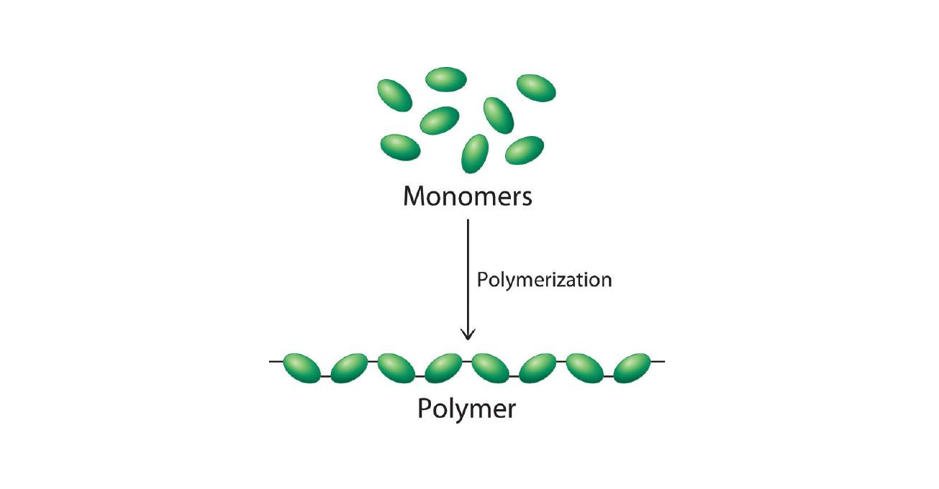
Organic peroxides are radical initiators that trigger polymerization and crosslinking in polyolefins, PVC, rubber and thermoset composites.

Key applications
Polyethylene (PE), polypropylene (PP), PVC, rubber crosslinking, thermoset composites, acrylics, wire & cable.
Key brands
Perodox®, Perodox® LUNA, Perodox® DCP, Perodox® MEKP
Compliance
REACH, TSCA, ISO 9001 / 14001 / 45001

Organic Peroxides vs AZO Initiators

Both are radical polymerization initiators, but organic peroxides cover a broad decomposition-temperature range for PVC, polyolefin, and FRP curing, while azo initiators give cleaner, lower-temperature control ideal for acrylics and foam blowing.

DimensionOrganic PeroxidesAZO Initiators
What they are Radical initiators that decompose to release free radicals; the workhorse for PVC, polyolefin, and FRP curing. Low-temperature azo radical initiators used for vinyl polymerization and chemical blowing (foaming).
Decomposition temperature Broad range (~40-200 C) - a grade for nearly every process window. Lower-temperature control (~30-120 C) - ideal for heat-sensitive systems.
Typical physical form Liquids, pastes, and solids (e.g., DCP, MEKP, peroxydicarbonates). Crystalline powders (e.g., AIBN, ABVN, AIBME) and water-soluble grades.
Best suited for PVC, LDPE, thermoset composites (FRP), rubber crosslinking, wire & cable. Acrylics, emulsion polymerization, ABS, and foam blowing agents.
Key advantage Wide decomposition range and high radical yield for demanding cures. Cleaner decomposition (no carboxyl by-products) and precise low-temp control.
Explore Organic Peroxides family AZO Initiators family

Organic Peroxides

A comprehensive portfolio of high-quality organic peroxides serving as essential initiators, curing agents, and crosslinkers for polymer manufacturing worldwide.
Organic Peroxides Products - Do Sender Chem

Since our establishment in China, Do Sender Chem has been dedicated to the research, development, and manufacturing of premium organic peroxide products. Our state-of-the-art facility operates under strict quality control standards to ensure consistent product excellence.

Our organic peroxide product line serves as the backbone for numerous industrial applications, enabling the efficient production of thermoset resins, reinforced plastics, elastomers, and advanced composite materials used across automotive, construction, wind energy, and marine sectors.

We pride ourselves on competitive pricing, flexible packaging options, and reliable global logistics, ensuring your supply chain remains uninterrupted regardless of where you operate.
Organic Peroxides Laboratory - Do Sender Chem

Key Applications

Organic peroxides serve as essential components across diverse industries, enabling polymerization initiation, crosslinking, curing, and specialty chemical synthesis.
Polymerization Initiator

Polymerization Initiator

Free-radical initiators for LDPE, PVC, PS, PMMA, and acrylic polymer production with precise half-life temperature control and optimal initiator efficiency.
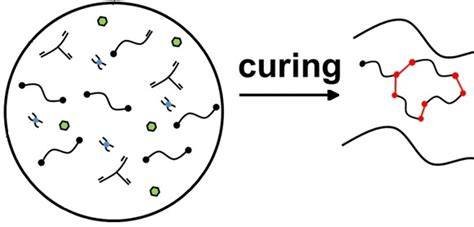
Curing Agent (UPR/VE)

Curing Agent (UPR/VE)

Room-temperature and elevated-temperature curing systems for unsaturated polyester resins and vinyl ester composites used in marine, construction, and automotive applications.
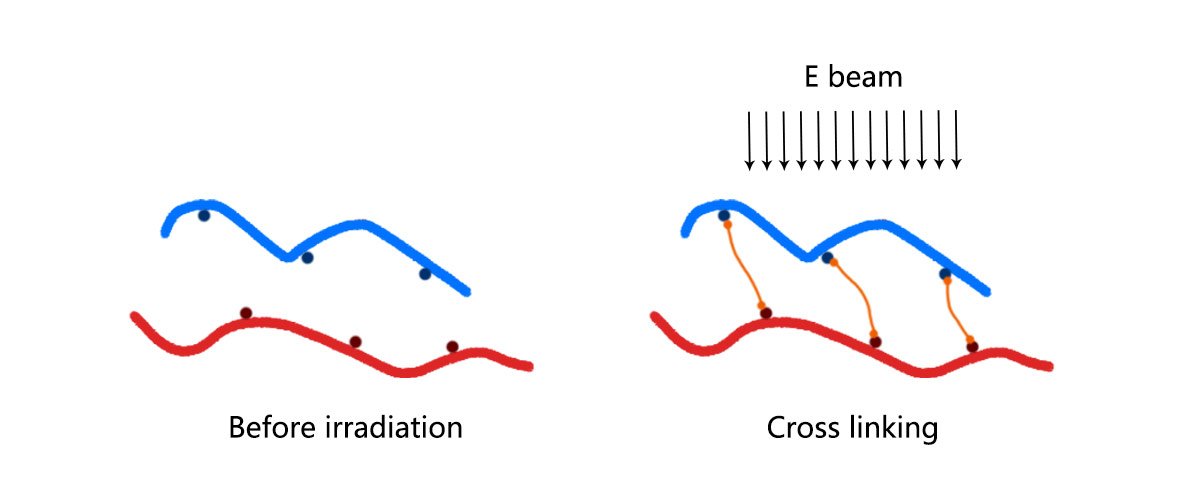
Crosslinking Agent

Crosslinking Agent

High-temperature crosslinking peroxides for PE, EVA, EPDM, and silicone rubber, delivering superior mechanical properties and thermal resistance in wire, cable, and pipe applications.

Modifying Agent

Modifying Agent

Controlled rheology modification of polypropylene (CR-PP) and polymer degradation control to achieve precise melt flow index and processability targets.
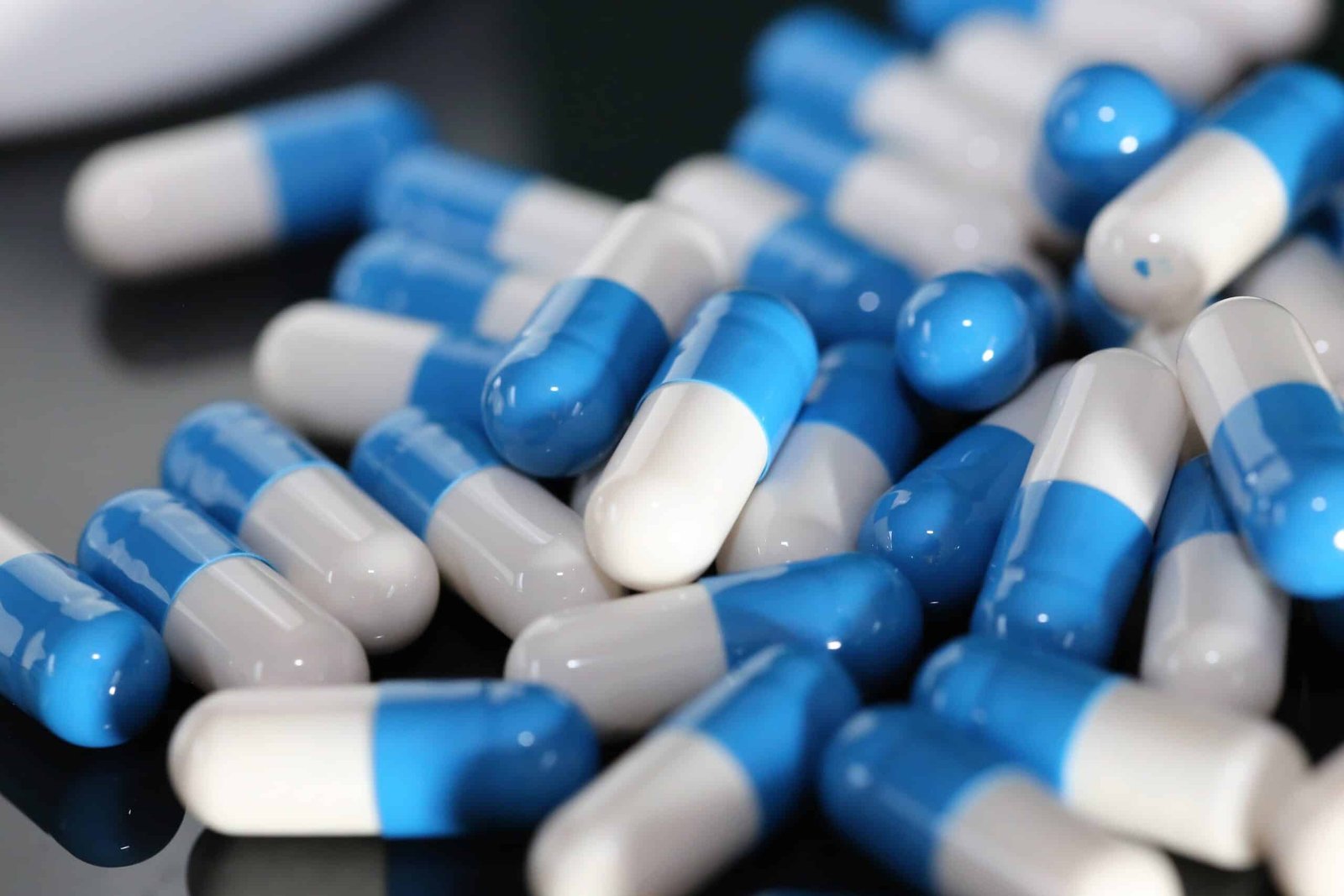
Pharmaceutical Synthesis

Pharmaceutical Synthesis

High-purity organic peroxides as oxidizing agents and intermediates in API synthesis, epoxidation, and specialty pharmaceutical manufacturing processes.

Oilfield Chemicals

Oilfield Chemicals

Specialized peroxide-based breakers and initiators for hydraulic fracturing, enhanced oil recovery, and drilling fluid applications in upstream oil and gas operations.

Featured Products

Our core organic peroxide products are manufactured to meet international quality standards, backed by comprehensive technical data sheets and safety documentation.

Perodox B

Alkyl Peroxides

CAS No. 110-05-4

Di-tert-butyl peroxide (DTBP). A high-temperature initiator suitable for PE, PP, and crosslinking applications above 140°C.

Read more

Perodox C

Perester

CAS No. 614-45-9

Tert-butyl peroxybenzoate (TBPB / TBPP). An efficient initiator for LDPE, PS, and ABS production with excellent thermal stability.

Read more

Perodox MEKP

Ketone Peroxides

CAS No. 1338-23-4

Methyl ethyl ketone peroxide solution. The industry-standard room-temperature curing agent for unsaturated polyester resins.

Read more

Perodox LUNA

Diacyl Peroxides

CAS No. 94-36-0

Benzoyl peroxide (BPO). A versatile peroxide widely used in polymer synthesis, pharmaceutical intermediates, and specialty processes.

Read more

Perodox DCP

Alkyl Peroxides

CAS No. 80-43-3

Dicumyl peroxide. A widely-used crosslinking agent for polyethylene, EVA cable compounds, and EPDM rubber vulcanization.

Read more

Perodox K

Hydroperoxides

CAS No. 80-15-9

Cumene hydroperoxide (CHP). Serves as both a polymerization initiator and a key intermediate in phenol/acetone production.

Read more

Perodox EHP

Ester Peroxides

CAS No. 16111-62-9

2-Ethylhexyl peroxydicarbonate (EHP). A low-temperature initiator ideal for PVC suspension and emulsion polymerization processes.

Read more

Perodox 14

Alkyl Peroxides

CAS No. 78-63-7

Lauryl peroxide (LPO). Commonly used as a low-temperature initiator for PVC suspension polymerization and silicone rubber curing.

Read more

Perodox 36

Alkyl Hydroperoxides

CAS No. 75-91-2

Tert-butyl hydroperoxide (TBHP). An essential oxidizing agent used in epoxidation reactions, polymer synthesis, and chemical intermediates.

Read more

Perodox 99

Peroxyketals

CAS No. 3006-86-8

1,1-Di-(tert-butylperoxy)cyclohexane (TBPPH). Designed for high-temperature crosslinking in cable insulation and pipe extrusion.

Read more

Perodox 101

Peroxyketals

CAS No. 25155-25-3

2,5-Dimethyl-2,5-di(tert-butylperoxy)hexane (DBMPH). Used for high-temperature curing of silicone rubber and EPDM systems.

Read more

Custom Organic Peroxides

Custom Service


Need a specific organic peroxide formulation? We offer custom synthesis services tailored to your unique specifications, purity requirements, and packaging needs.

Inquire now

Our Brand Portfolio

Each brand represents a distinct category of organic peroxide products, tailored to specific industrial requirements and application conditions.
Perodox Brand Logo
Perodox
Do Sender Chem Corporate Brand
Do Sender

Download Documents

Access technical documentation, safety data sheets, and product brochures for our complete organic peroxide portfolio.

📄
Safety of Organic Peroxides

Comprehensive guidelines on the safe handling, storage, transport, and emergency response procedures for all organic peroxide products.

Type: Brochure Language: English Format: PDF | 1.2 MB
📊
Product Catalog 2026

Full catalog covering specifications, packaging, shelf life, and recommended storage conditions for all available organic peroxide grades.

Type: Catalog Language: English Format: PDF | 3.8 MB
⚠️
Technical Bulletin: Perodox B Application Guide

In-depth technical guidance on DTBP usage including optimal dosage ranges, decomposition kinetics, and compatibility matrices.

Type: Technical Bulletin Language: English Format: PDF | 890 KB

Quality Assurance
& Safety First

Every batch of organic peroxide produced at our facility undergoes rigorous quality testing before shipment. Our ISO-certified laboratory ensures that purity, active oxygen content, and thermal stability meet or exceed international specifications.

We maintain a fully integrated HSE management system covering hazard identification, risk assessment, process safety management, and continuous improvement programs. Our team provides technical support and safety training to help customers handle organic peroxides responsibly.

Learn about our Quality System
Quality Assurance Laboratory - Do Sender Chem

Contact Our Experts

For more information about organic peroxide solutions, please contact our experts. We look forward to hearing from you.


Warning: Undefined variable $form_submitted in /home/u227597077/domains/dosenderchem.com/public_html/wp-content/themes/nouryon-theme/page-tem-products-organic-peroxides.php on line 1019

Warning: Undefined variable $form_error in /home/u227597077/domains/dosenderchem.com/public_html/wp-content/themes/nouryon-theme/page-tem-products-organic-peroxides.php on line 1022

By submitting this form, you agree to our privacy policy . We will respond within 2 business days.

Frequently Asked Questions — Organic Peroxides

Organic peroxides are compounds containing the peroxide functional group (-O-O-). They work by thermal decomposition to generate free radicals, which initiate polymerization reactions. Do Sender Chem's Perodox brand offers a comprehensive range of organic peroxides for polymerization, crosslinking, and curing.

Peroxide initiators decompose via O-O bond cleavage to generate alkoxy and hydroxy radicals, while azo initiators decompose via N=N bond cleavage to generate carbon-centered radicals and nitrogen gas. Peroxides generally have higher decomposition temperatures and broader applicability. Do Sender Chem offers both Perodox (peroxide) and Azox (azo) product lines.

Common organic peroxides have specific CAS numbers: Benzoyl Peroxide (94-36-0), Dibenzoyl Peroxide (94-36-0), Cyclohexanone Peroxide (78-18-2), MEKP (1338-23-4), DCPD (80-43-3). Each Perodox product has its own CAS number listed on the product page, TDS, and SDS for regulatory referencing.

Shelf life varies by product and storage conditions. Perodox products generally have a shelf life of 6-12 months when stored at recommended temperatures (below 25 deg C for most). Always check the retest date on the label and store per SDS guidelines.

Certain organic peroxides are suitable for food contact after complete decomposition and residue removal. Do Sender Chem provides products compliant with FDA 21 CFR and EU 10/2011 for food contact materials. Request compliance documentation from our technical team for your specific application.

Dialkyl peroxides (e.g., DCPD, BIBP) have higher thermal stability and are used for crosslinking, while diacyl peroxides (e.g., BPO, Lauroyl Peroxide) decompose at lower temperatures and are preferred for polymerization initiation. Perodox includes both types for different needs.

Powder formulations offer higher active oxygen content and longer shelf life but require dust-control handling. Paste formulations (in inert carriers such as silicone oil) improve safety, handling, and dispersion in liquid systems. Perodox offers both for most products.

Molecular weights vary: BPO (242.23 g/mol), DCPD (270.33 g/mol), BIBP (484.62 g/mol). Exact values are listed in the TDS for each Perodox product and are important for stoichiometric formulation calculations.

They are commonly grouped as very low (< 50 deg C, e.g., TBPO), low (50-90 deg C, e.g., BPO, MEKP), medium (90-120 deg C, e.g., DCPD), and high temperature (> 120 deg C, e.g., some peroxyesters). Selection depends on your process temperature window.

Active oxygen content (AOC) is the mass percentage of oxygen available from the peroxide group for radical generation. It is a standardized measure allowing comparison of initiation efficiency across different peroxides.

No. Hydrogen peroxide is an inorganic peroxide (H2O2) used mainly as a bleaching and oxidizing agent, while organic peroxides have organic substituents and are primarily used as radical initiators in polymerization.

It is the temperature at which 50 percent of the peroxide decomposes in 10 hours. It is the standard reference point for selecting an initiator matched to a given polymerization temperature.

Yes, but only with technical validation. Combined peroxide systems can broaden the decomposition window, yet incompatible mixtures may cause premature decomposition. Our technical team can design safe co-initiator blends.

Peroxyesters (e.g., TBPEH, TBPC) are liquid peroxides offering finely tuned half-life profiles, widely used in HDPE, LDPE, and PVC polymerization as well as in cure-on-demand coatings.

Decomposition yields radical fragments that become part of the polymer chain or volatilize. Proper selection and post-cure treatment minimize odor and extractable residues for sensitive applications.

Dosage depends on the monomer system, target molecular weight, and process conditions. Typical ranges: 0.1-3.0 percent for polymerization, 1.0-5.0 percent for crosslinking. Our technical team provides specific recommendations based on your parameters.

Yes, water-soluble or emulsified peroxides (e.g., persulfates or emulsified organic peroxides) are used in emulsion systems. Perodox offers specialized grades for emulsion polymerization. Contact our technical team for recommendations.

Dialkyl peroxides (DCPD or BIBP) generate free radicals that abstract hydrogen from PE chains, forming macroradicals that couple into crosslinks. This improves thermal stability, mechanical strength, and chemical resistance of XLPE. Perodox provides optimized grades for XLPE.

Yes, organic peroxides crosslink PVC to improve heat resistance and mechanical properties, typically with a co-agent such as TAIC or TAC to enhance efficiency. Our technical team can recommend the optimal peroxide/co-agent system.

MEKP is the most common peroxide for UPR curing, usually with cobalt naphthenate accelerator. Perodox offers high-purity MEKP and alternatives such as cyclohexanone peroxide for UPR applications.

Yes, peroxides effectively initiate acrylic monomers (MMA, BA). Low-temperature polymerization may require redox systems, while high-temperature bulk or suspension processes use thermal initiators such as BPO.

Batch processes allow flexible peroxide selection, while continuous processes require consistent decomposition kinetics and appropriate half-life at reactor temperature. Perodox offers grades optimized for both batch and continuous operation.

Yes, peroxides (BPO, DCPD) are common for styrene polymerization in PS, SAN, and ABS. Choice depends on polymerization temperature and desired molecular weight distribution. Perodox provides products for styrenic production.

Peroxides crosslink EVA to improve foam stability, thermal resistance, and mechanical properties, critical for shoe soles, wire and cable, and solar encapsulation. Perodox offers low-volatility peroxides optimized for EVA.

Some peroxides (like DCPD) can serve both, but optimization usually requires different or combined peroxides. Initiation needs lower decomposition temperature, crosslinking benefits from higher thermal stability. Our team can design dual-function systems.

Peroxides such as DCPD and 2,5-dimethyl-2,5-di(t-butylperoxy)hexane (DBPH) cure silicone rubber without condensation byproducts, producing heat-stable elastomers for medical and automotive parts.

Controlled-rheology PP uses peroxides such as DCPD or DBPH to cleave polymer chains and lower melt viscosity. Perodox grades are tuned for reactive extrusion with minimal odor residue.

Yes, peroxide masterbatches improve fill and surface finish in rotomolded polyethylene parts. Perodox supplies stabilized paste grades compatible with rotomolding compounds.

Peroxides cure the resin matrix in SMC, BMC, and pultrusion. MEKP and peresters are selected by mold temperature and cure speed to balance cycle time and part quality.

BIBP and DCPD crosslink EPDM, NBR, and natural rubber to improve heat and compression set resistance. Perodox grades are chosen by the rubber service temperature.

Yes, peroxide expansion creates closed-cell EVA foam for footwear and padding. Perodox low-volatility grades give uniform cell structure and low odor.

XLPE insulation for power cables uses DCPD or DBPH to achieve high thermal and electrical performance. Perodox provides cable-grade peroxides with tight impurity control.

Yes, peroxides cure acrylic and rubber-based adhesives and sealants, providing fast, solvent-free crosslinking for construction and automotive assembly.

Peroxyesters with high 10-hour half-life temperatures are used in continuous PET processes. Perodox supplies grades matched to reactor temperature profiles.

Yes, peroxides in coil and can coatings enable rapid thermal cure. Perodox peresters balance latency and cure speed for inline coating lines.

Peroxides can generate blowing-agent-free microcellular structures, though XPS predominantly uses physical blowing agents. Perodox supports hybrid peroxide-blowing systems where applicable.

Yes, solution polymerization of acrylates and methacrylates uses peroxides (often with azo co-initiators) for coatings and inks. Perodox grades are selected by solvent and temperature.

Peroxyesters initiate and control molecular weight in PE reactors. Perodox supplies reactor-grade peroxides with documented half-life and purity.

Yes, peroxides graft maleic anhydride onto PP or PE for compatibilization in filled compounds. Perodox grades minimize chain scission during grafting.

Peroxides cure polyester and acrylic powder coatings during oven bake. Perodox provides grades with half-life matched to typical powder coating ovens.

Organic peroxides decompose exothermically and may cause fire or explosion when exposed to heat, friction, impact, or contamination. Always handle Perodox products per the SDS using appropriate PPE in a cool, ventilated area.

Required PPE includes chemical-resistant gloves (nitrile), safety goggles or face shield, flame-resistant lab coat, and safety shoes. For dusty operations use an N95 or PAPR respirator. Follow the SDS for the specific Perodox product.

Store in a cool (below 25 deg C), dry, well-ventilated area away from sunlight, heat, and incompatible materials (acids, bases, heavy metals, reductants). Use flame-proof refrigeration where available. Perodox provides per-product storage guidance in the SDS.

Do NOT use water jets (may spread burning material). Use dry powder, CO2, or foam extinguishers. Evacuate, alert emergency services, and provide the SDS to responders.

No. Use a flame-proof (explosion-proof) hazardous-materials refrigerator. Standard refrigerators contain ignition sources (thermostat, light switch) that can ignite peroxide vapors. Perodox recommends certified hazardous storage refrigerators.

Incompatible with strong acids, strong bases, heavy metal compounds (iron, copper, cobalt), amines, and reducing agents. Avoid contact to prevent violent decomposition. Consult the SDS for a complete incompatibility list.

Do NOT discard in trash or drains. Contact a licensed hazardous waste service. Small contaminated quantities may be destroyed by controlled dilution and decomposition under expert supervision. Perodox can advise compliant disposal.

Skin: wash with soap and water. Eyes: rinse 15 minutes. Inhalation: move to fresh air. Ingestion: do NOT induce vomiting; seek immediate medical care and provide the SDS noting an organic peroxide is involved.

Signs include bulging containers, gas generation, discoloration, unusual odor, and warmth. If observed, isolate the container, evacuate personnel, and contact emergency response per the SDS.

Self-Accelerating Decomposition Temperature is the lowest temperature at which a packaged peroxide undergoes self-accelerating decomposition. Storage and transport must stay below SADT to prevent thermal runaway.

Alert personnel, eliminate ignition sources, and contain with non-combustible absorbent. Do not use combustible absorbents. Trained responders should clean up per the SDS and dispose as hazardous waste.

Yes, even small cross-contamination with reductants or metals can trigger violent reaction. Dedicated equipment, thorough cleaning, and segregation prevent contamination.

Handlers need training in peroxide hazards, SDS interpretation, emergency response, and spill control. Perodox provides SDS, safety summaries, and on-site training for key accounts.

Some peroxides (especially hydroperoxides) degrade under UV or strong light. Store in opaque or shaded containers away from direct sunlight to preserve activity.

Use local exhaust ventilation and damp-control methods to avoid dust clouds, which are explosion hazards. Powder grades should be transferred in grounded, bonded equipment.

All containers and transfer equipment must be electrically grounded and bonded to prevent static discharge ignition during liquid peroxide handling.

Only within documented safe temperature limits. Excessive heat accelerates decomposition. Use warmed (not hot) water baths and never exceed the product's recommended temperature.

Fire extinguishers (dry powder/CO2), eye wash, safety shower, spill kit, and readily accessible SDS. Storage areas should have explosion-proof electrical fittings.

Transport follows ADR/RID/IMDG/ICAO with temperature-controlled containers where required, segregation from incompatibles, and UN-approved packaging per the product's hazard class.

A peroxide killer is a neutralizing agent (e.g., reducing solution) used by trained responders to safely deactivate leaking or decomposing peroxide. Application must follow expert protocol.

Active oxygen content (AOC) measures available oxygen for radical generation. Higher AOC means more efficient initiation at lower dosage. Perodox guarantees minimum AOC verified by batch analysis and documented in the CoA.

Half-life is the time for 50 percent decomposition at a given temperature. It is key for matching initiator to process temperature. Perodox provides half-life data (10-hour and 1-hour temperatures) in the TDS.

Purity is determined by iodometric titration (active oxygen), HPLC or GC (impurities), and appearance inspection. Perodox performs these on every batch with results in the CoA.

Higher purity (98 percent+) contains less water and impurity, giving more consistent performance and longer shelf life but greater sensitivity. 90 percent grades often include stabilizers for safer handling. Perodox offers both.

Yes, Perodox offers custom synthesis and formulation adjusting purity, particle size, carrier, and AOC to your process. Contact our technical team to discuss custom needs.

Tdec is the onset temperature of rapid exothermic decomposition. It guides safe processing and storage ceilings. Perodox lists Tdec and SADT in product documentation.

Moisture is measured by Karl Fischer titration. Low moisture is critical for powder grades to prevent caking and activity loss. Perodox reports moisture in the CoA.

Ash content reflects residual inorganic salts from synthesis. Low ash is important for electrical and food-contact grades. Perodox controls ash for sensitive applications.

Appearance (color, form, clarity) is a quick quality indicator. Perodox documents acceptable appearance ranges and flags deviations in the CoA.

Activation energy describes temperature sensitivity of decomposition rate. It helps model reactor behavior and scale-up. Perodox provides kinetic data on request.

Yes, selected peroxides are supplied as stabilized aqueous emulsions or dispersions for emulsion polymerization and waterborne systems. Perodox offers emulsion grades.

Bulk density varies with particle size and carrier, typically 0.3-0.8 g/cm3. It affects dosing and handling. Perodox reports bulk density for powder grades.

Assay is verified by validated titration or chromatographic methods against reference standards, with uncertainty stated in the CoA. Perodox uses ISO-aligned methods.

pH matters for stability and compatibility, especially in emulsion and paste systems. Perodox specifies and controls pH for relevant grades.

Only with a compatible, approved diluent and within safe concentration limits. Improper dilution can cause localized concentration or contamination. Follow Perodox guidelines.

Most Perodox products store below 25 deg C; some require below 20 or 15 deg C. Exact temperatures and SADT are in the SDS and label. Use monitored, flame-proof cold storage.

Perodox products placed on the EU market are REACH registered where applicable. Do Sender Chem maintains regulatory dossiers and can provide registration confirmations.

Products for the US market are listed or exempt on TSCA where required; equivalents exist for other regions. Our regulatory team confirms inventory status per destination.

Organic peroxides are classified under GHS as Organic Peroxide (Type B-F) or Self-reactive substances, with flame and exploding-bomb pictograms. Perodox labels follow GHS and local adaptations.

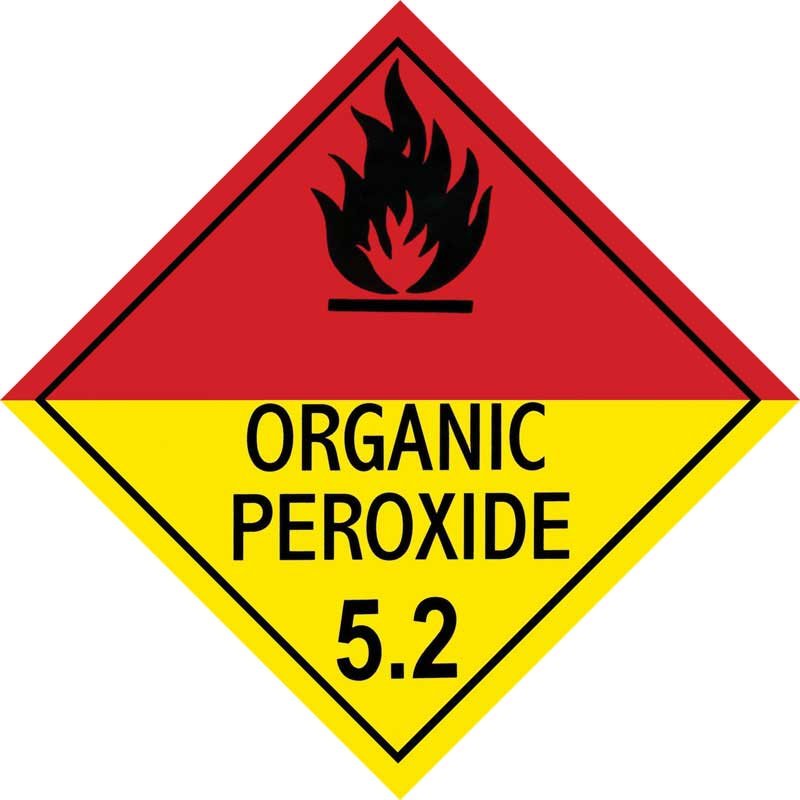
They are regulated as Division 5.2 Organic Peroxides under UN Model Regulations (ADR, IMDG, ICAO). Some dilute or stabilized types may be exempt. Perodox provides proper shipping names and UN numbers.

Yes, our regulatory affairs team supports registrations, import licenses, and compliance documentation for new countries, leveraging local agents and distributors.

Each shipment includes SDS, CoA, and where required, transport documents, REACH/TSCA statements, and label artwork. Digital copies are available on request.

Selected grades meet FDA 21 CFR and EU 10/2011 for food-contact after depletion. Compliance letters and extractable data are available for qualifying applications.

We recommend calibrated logging thermometers with alarm thresholds below SADT. Perodox can advise on storage design and monitoring for bulk users.

Retain SDS, CoA, batch numbers, incoming inspection, and storage temperature logs. These support traceability and regulatory audits. Perodox batch numbers enable full tracking.

Standard MOQ is 100 kg for trial orders and 500 kg for regular shipments. Samples (100 g-1 kg) are available for qualified buyers. Perodox is flexible to meet your volume needs.

Yes, a dedicated technical team supports polymerization and crosslinking applications with selection guidance, formulation optimization, troubleshooting, and on-site support. Contact technical@dosenderchem.com.

Yes, every shipment includes a batch-specific CoA detailing assay, physical properties, and quality parameters in PDF, with hard copy on request.

Yes, for established customers with regular volume, JIT programs are available with planning, volume commitments, and safety stock agreements. Contact sales to discuss.

Perodox is supplied in drums, IBCs, pails, and lined fiber drums with UN-approved packaging. Custom pack sizes are available for large accounts.

Standard grades ship in 1-2 weeks; custom formulations may take 4-8 weeks. Lead time depends on grade, volume, and destination. Our sales team confirms at order.

Yes, samples of standard grades are available for qualified technical evaluation. Submit a sample request with intended application and we will respond within 2 business days.

Yes, Perodox offers tailored peroxide blends, carriers, and activities for proprietary processes under confidentiality agreements. Contact our technical team.

Standard terms are T/T with deposit; established customers may qualify for net-30 or LC. Terms are confirmed in the commercial quotation.

Perodox is distributed through regional partners. Use the Distributor Locator or contact sales@dosenderchem.com to find the nearest authorized distributor.

Yes, private-label and co-branding arrangements are possible for strategic partners. Discuss branding and volume with our commercial team.

Our multi-site production supports both standard and custom volumes with redundant lines for supply security. Capacity details are shared under NDA.

Pricing depends on grade, volume, Incoterms, and destination. Request a formal quotation with your specs and we will respond promptly.

Yes, our application engineers assist with scorch, incomplete cure, odor, and residue issues via lab analysis and on-site visits for key accounts.

Apply via the 'Become a Distributor' form. We evaluate market coverage, technical capability, and compliance before partnering.