


Metal Alkyls &
Complex Metalorganics

High-purity metal alkyls and complex metalorganic catalysts for polypropylene, polyethylene, and synthetic rubber production — built on decades of expertise and a commitment to batch-to-batch consistency.
30+
Product Grades
4
Metal Families
99.9%
Purity Level
80+
Countries Served
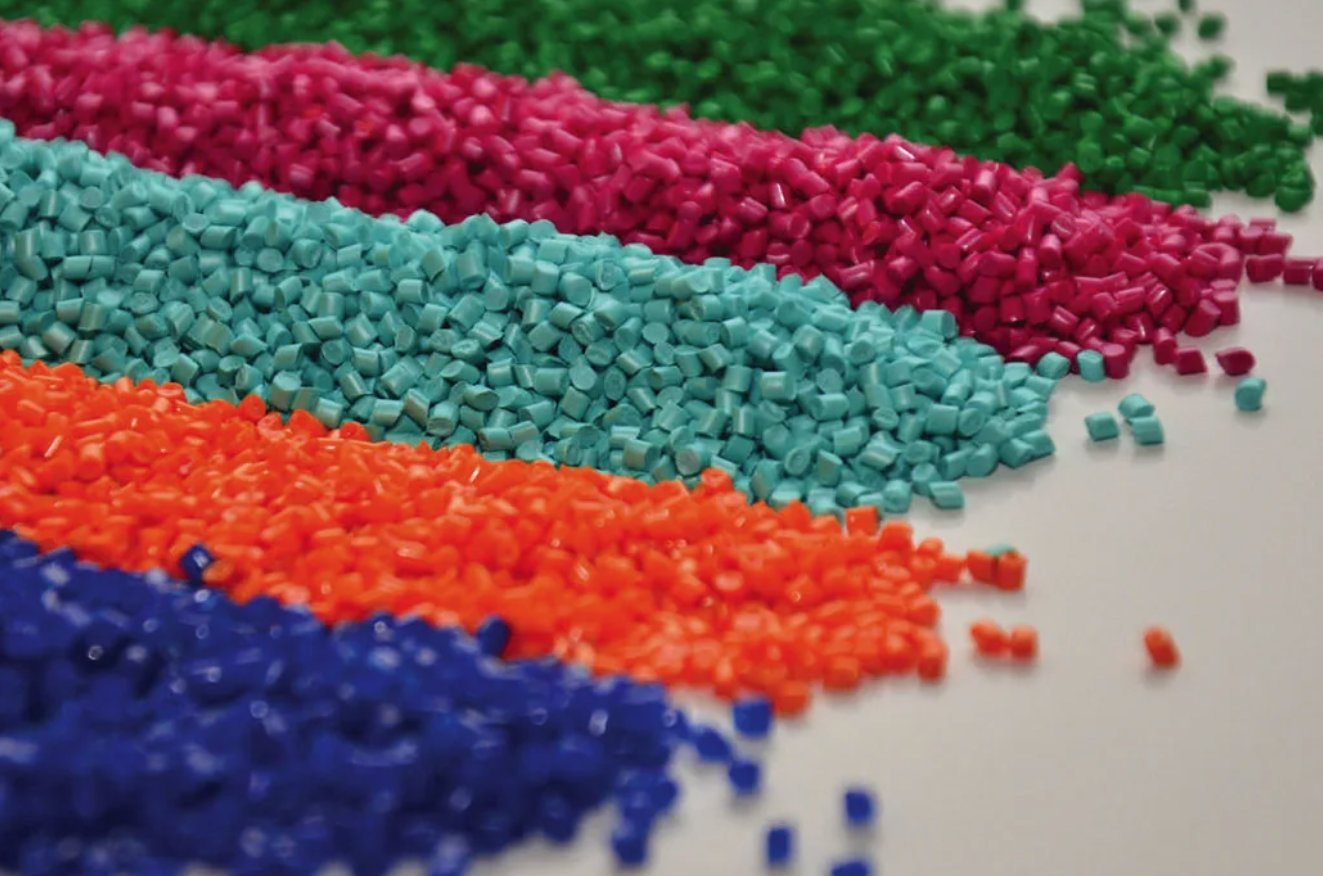
Metal Alkyls — Plastic granules raw materials

Why Do Sender Chem

A leading supplier of high-purity metal alkyls based on aluminum, magnesium, zinc and boron — essential co-catalysts and activators for the global polyolefin industry.

Metal alkyls and complex metalorganics are indispensable components in Ziegler-Natta and metallocene polymerization processes. Millions of tons of polyethylene, polypropylene, and synthetic rubber are produced annually using our products as co-catalysts, activators, and chain shuttling agents.

From triethylaluminum (TEAL) for polypropylene production to modified methylaluminoxanes (MMAO) for single-site catalyst activation, our comprehensive portfolio covers the full spectrum of metalorganic chemistry.

Global Filling Stations Temperature-Controlled Logistics

Why Do Sender Chem?

  • High Reactivity — Superior co-catalyst performance for Z-N and metallocene polymerization
  • Batch Consistency — Strict QA/QC ensures identical performance across every shipment
  • Full Portfolio — Aluminum, magnesium, and zinc alkyls plus MMAO activators
  • Custom Solutions — Tailored formulations for specific catalyst systems and processes
  • Safe Handling — Comprehensive SDS, technical support, and cold chain logistics

Featured applications

Our metal alkyls and complex metalorganics serve critical roles across diverse polymer and fine chemical processes.

Polypropylene Production

TEAL and TIBAL serve as essential co-catalysts in Ziegler-Natta polypropylene polymerization.

Polyethylene & LDPE

Metal alkyls activate catalyst systems for high-pressure and gas-phase polyethylene processes.

Metallocene & Single-Site Catalysts

MMAO activate metallocene catalysts for precision polymer engineering — enabling POE, EPDM, and advanced elastomers.

Pharmaceuticals & Fine Chemicals

Metal alkyls facilitate asymmetric reduction, addition, alkylation, and deprotonation steps with high selectivity.

Product categories

Four major families of metalorganic products, covering aluminum, magnesium, zinc, and boron-based chemistry.

Al 13

Aluminum Alkyls

TEAL, TIBAL, DEAC, and EASC. Essential co-catalysts for Ziegler-Natta polymerization.

Mg 12

Magnesium Alkyls

BEM/MAGALA® and other magnesium alkyl solutions for Ziegler-Natta catalyst preparation.

Zn 30

Zinc Alkyls

DEZ and other zinc alkyl compounds for chain shuttling and crosslinking applications.

B 5

Boron Compounds

Organo-boron reagents for specialty polymerization and fine chemical synthesis.

MMAO

Modified Methylaluminoxanes

MMAO-3A, MMAO-7, and custom MMAO formulations for metallocene and post-metallocene systems.

Catalyst

Complex Metalorganic Catalysts

Custom-manufactured ligands, metallocenes, and single-site catalyst systems.

Featured products

A selection from our comprehensive metal alkyls portfolio, covering aluminum, magnesium, and zinc chemistry.

Aluminum Alkyl

DEAC

Diethylaluminum chloride · CAS 96-10-6

DEAC is an aluminum alkyl used as a co-catalyst in the Ziegler-Natta polymerization of olefins.

Read more
Aluminum Alkyl

DEAL-E

Diethylaluminum ethoxide · CAS 1586-92-1

DEAL-E is an aluminum alkyl used as a co-catalyst in the polymerization of olefins.

Read more
Zinc Alkyl

DEZ

Diethylzinc · CAS 557-20-0

DEZ is a zinc alkyl used as chain-shuttling agent in block copolymer polymerization.

Read more
Aluminum Alkyl

DIBAC

Diisobutylaluminum chloride · CAS 1779-25-5

DIBAC is an aluminum alkyl used as a co-catalyst in the Ziegler-Natta polymerization of olefins.

Read more
Aluminum Alkyl

DIBAL-H

Diisobutylaluminum hydride · CAS 1191-15-7

DIBAL-H is an aluminum alkyl used as a co-catalyst in Ziegler-Natta polymerization and as a reducing agent in organic synthesis.

Read more
Zinc Alkyl

DMZ

Dimethylzinc · CAS 544-97-8

DMZ is a zinc alkyl used in pharmaceutical applications for a variety of transformation reactions including those of asymmetric nature.

Read more
Aluminum Alkyl

EADC

Ethylaluminum dichloride · CAS 563-43-9

EADC is an aluminum alkyl used as raw material for the production of Ziegler-Natta catalysts and in dimerization and oligomerization of olefins.

Read more
Aluminum Alkyl

EASC

Ethylaluminum sesquichloride · CAS 12075-68-2

EASC is an aluminum alkyl used as co-catalyst in the Ziegler-Natta polymerization of olefins.

Read more
Aluminoxane

IBAO-65

Isobutylaluminoxane Type 65 · CAS 220326-29-4

IBAO-65 is an aluminoxane used as a co-catalyst in the Ziegler-Natta polymerization of olefins.

Read more
Aluminum Alkyl

ISOPRENYL

Isoprenylaluminum · CAS 70024-64-5

ISOPRENYL is an aluminum alkyl used as a co-catalyst in the Ziegler-Natta polymerization of olefins.

Read more
Magnesium Alkyl

MAGALA® BEM

n-Butylethylmagnesium, heptane solutions · CAS 62202-86-2

MAGALA® is a magnesium alkyl which can be used as Mg-source for Ziegler-Natta Polyethylene or Polypropylene catalysts.

Read more
Modified Aluminoxane

MMAO-3A (Heptane)

Modified Methylaluminoxane type 3A, 7 wt% AL in Heptane · CAS 146905-79-5

MMAO-3A 7 wt% AL in Heptane is an aluminoxane used as a co-catalyst in the polymerization of olefins.

Read more
Modified Aluminoxane

MMAO-3A (MCH)

Modified Methylaluminoxane type 3A, 7 wt% AL in methylcyclohexane · CAS 146905-79-5

Used as co-catalysts in the polymerization of olefins and other monomers via single-site catalysts. Can also be used for tri and tetramerization processes.

Read more
Modified Aluminoxane

MMAO-7

Modified Methylaluminoxane type 7, 7 wt% AL in Isopar® E · CAS 206451-54-9

A modified aluminoxane which can be used as activator for metallocene polyolefin elastomer (POE) production.

Read more
Aluminum Alkyl

MONIBAC

Isobutylaluminum dichloride · CAS 1888-87-5

MONIBAC is an aluminum alkyl used as a co-catalyst in the Ziegler-Natta polymerization of olefins.

Read more

Safety, handling & quality assurance

Metal alkyls are pyrophoric materials that require specialized handling, storage, and transportation. At Do Sender Chem, we combine decades of handling expertise with rigorous quality management to ensure every shipment meets the strictest safety and purity standards.

Our products are shipped in dedicated stainless-steel or carbon-steel containers under inert atmosphere, with full cold-chain logistics for temperature-sensitive grades. Each batch is accompanied by a comprehensive Safety Data Sheet and Certificate of Analysis.

We offer technical seminars and on-site support to help customers optimize their handling procedures and maximize process safety.

ISO 9001 Certified
Pyrophoric Handling Certified
SDS / COA Provided
REACH Compliant
Chemical spill release response — Safety handling

Download your documents

Access brochures, safety guides, and technical documentation for our metal alkyls portfolio.

Metal Alkyls — Products & Capabilities Brochure

Type: Brochure · Language: English · Format: PDF · 1.8 MB
Download

Safe Handling Guide for Metal Alkyls

Type: Safety Guide · Language: English · Format: PDF · 2.4 MB
Download

Product Catalog — Complete Metalorganics Listing

Type: Catalog · Language: English · Format: PDF · 3.2 MB
Download

MMAO Technical Data Sheet — Selection Guide

Type: TDS · Language: English · Format: PDF · 680 KB
Download

Working with metal alkyls safely and effectively

Metal alkyls are compounds with direct metal–carbon bonds (Al–C, Zn–C). Their defining trait is high reactivity: they are powerful alkylating, reducing and co-catalytic agents — and, for aluminum/zinc alkyls, pyrophoric (ignite spontaneously in air). That same reactivity is what makes them indispensable in polyolefin catalysis and advanced materials.

Core grades and their roles

ProductCASPrimary use
TEAL (triethylaluminum)97-93-8Ziegler–Natta / metallocene co-catalyst; olefin polymerisation; reducing agent
TIBAL (triisobutylaluminum)100-99-2Co-catalyst & chain-transfer / scavenger in polyolefin plants
DIBAL-H (diisobutylaluminum hydride)1191-15-7Selective reducing agent in fine-chemical & API synthesis
DEZ (diethylzinc)557-20-0CVD / ALD precursor; polymerisation activator
TMA (trimethylaluminum)75-24-1MOCVD/ALD precursor (Al₂O₃ films); co-catalyst

Where metal alkyls earn their place

Polyolefin catalysis

In Ziegler–Natta and metallocene processes, TEAL/TIBAL activate the transition-metal site and scavenge poisons (water, oxygen) from the monomer stream. Dosing, dilution and residency time directly govern molecular weight and morphology.

Semiconductor & advanced coatings

TMA and DEZ are delivered as ultra-high-purity precursors for atomic-layer deposition (Al₂O₃, ZnO) in logic, memory and optoelectronics. Purity ppb-level trace-metal control is essential.

Fine & specialty synthesis

DIBAL-H reduces esters to aldehydes at low temperature with remarkable selectivity — a staple in API and flavour/fragrance routes — while alkylaluminum reagents build C–C bonds in complex molecules.

Field example — steadier reactor activity

A PP producer saw catalyst productivity swing with seasonal humidity. By moving to a conditioned TEAL feed with inline moisture scavenging and a fixed TEAL: catalyst ratio, they flattened the activity curve and cut off-spec resin. The change was operational discipline around the alkyl, not a new catalyst. (Illustrative composite; specifics under NDA.)

Frequently asked questions

Why are metal alkyls handled under inert gas?

Aluminum and zinc alkyls are pyrophoric — they ignite on contact with air and react violently with water. They are transferred and stored under dry nitrogen/argon in sealed, often double-contained, systems.

What purity do semiconductor grades require?

Electronic-grade precursors are specified at ppb trace-metal and ultra-low moisture/oxygen levels, with dedicated cleanroom packaging to protect device yields.

Can metal alkyls be shipped internationally?

Yes, under strict dangerous-goods regulations (e.g., IMDG/ADR/IATA Class 4.2 & 4.3). We supply compliant packaging, documentation and, where needed, conditioned containers.

How do I choose TEAL vs TIBAL?

Both activate Ziegler–Natta systems; the choice hinges on chain-transfer behaviour, solubility and the scavenging demand of your monomer. Trial in a bench reactor is the reliable way to lock the ratio.

Backed by process expertise & certified quality

Do Sender Chem (Perodox®) is a specialist manufacturer of organic peroxides, metal alkyls and azo initiators. Our technical teams support formulators from pilot scale to full commercial production.

Dedicated R&D & application laboratory

In-house chemists run decomposition-kinetics, half-life and polymer-property testing so we can recommend the right initiator, concentration and temperature profile for your process.

Certified management systems

Manufacturing operates under ISO 9001 (quality), ISO 14001 (environment) and ISO 45001 (safety) frameworks, with REACH and GHS-compliant documentation for every grade.

Cold-chain & hazardous-logistics expertise

Temperature-controlled storage and ADR/IATA-compliant shipping protect peroxide and alkyl activity from production to your dock — critical for sensitive, self-reactive chemistry.

🌐

Global supply, local support

Active shipments to 80+ countries with regional technical contacts, so formulation questions are answered by chemists who understand your application — not a call centre.

Every recommendation on this site is a general technical guideline. Always confirm selection against the current Safety Data Sheet (SDS) and product datasheet, and validate in your own process before commercial scale-up.

Further reading & authoritative sources

We ground our recommendations in published standards and regulator guidance. The resources below are useful companions to the guides on this page.

Application Note (citable)

Matching initiator half-life to process temperature in radical polymerization. A practical methodology for selecting organic peroxide and azo initiators from their 10-hour half-life temperature (T½,10h), with worked examples for LDPE, PVC foam and UPR curing. Draft available on request for academic and technical partners — cite as: Do Sender Chem Technical Note TN-2026-OP-01.

Suggested citation: Do Sender Chem. (2026). Matching initiator half-life to process temperature in radical polymerization. Perodox® Technical Note TN-2026-OP-01.

Contact Our Experts

For more information about metal alkyls, please contact our experts. We look forward to hearing from you.

By submitting this form, you agree to our processing of your personal data in accordance with our Privacy Policy.

Frequently Asked Questions — Metal Alkyls & Complex Metalorganics

Metal alkyls are organometallic compounds with metal-carbon bonds, such as triethylaluminum (TEAL) and diethylaluminum chloride (DEAC). Do Sender Chem's Dosender brand supplies metal alkyls as co-catalysts and reducing agents.

TEAL is the primary co-catalyst in Ziegler-Natta and metallocene polyolefin catalysts, and is used as a reducing agent and alkylating reagent. Dosender supplies high-purity TEAL.

DEAC is an aluminum alkyl chloride used as a co-catalyst and scavenger in polymerization, offering different activity and selectivity than TEAL. Dosender provides DEAC in hydrocarbon solutions.

DIBAL-H is a reducing agent used for selective reductions (e.g., esters to aldehydes) and as a polymerization modifier. Dosender supplies DIBAL-H in toluene or hexane.

TEAL (97-93-8), DEAC (96-10-6), DIBAL-H (1191-15-7), triisobutylaluminum (100-99-2). Dosender lists CAS on each TDS and SDS.

Metal-carbon bonds are highly reducing; on exposure to air they ignite spontaneously (pyrophoric). They must be handled under inert atmosphere. Dosender products are supplied in sealed, inert-gas-filled containers.

Triethylaluminum (TEAL) and triisobutylaluminum (TIBAL) differ in alkyl groups, affecting solubility, reactivity, and decomposition products. Both are Ziegler-Natta co-catalysts; selection depends on catalyst system.

Typically as solutions in hydrocarbons (e.g., hexane, toluene) at controlled concentration, in cylinders or drums under dry inert gas. Dosender ensures water-free, oxygen-free packaging.

They activate the transition-metal catalyst and scavenge impurities (water, oxygen) that poison catalysts, enabling high-activity polyolefin production.

Metal alkyls are a subclass of organometallics containing metal-carbon sigma bonds. Other organometallics (e.g., Grignards, metallocenes) differ in metal and bonding.

TMA is a volatile, highly reactive aluminum methyl used in MOCVD and as a co-catalyst. Dosender supplies TMA where permitted, with strict handling controls.

Common concentrations are 10-30 percent w/w in hydrocarbon. Dosender provides specified concentrations with CoA verification.

Yes, they are used in organic synthesis (alkylations, reductions), MOCVD, and specialty chemical manufacturing. Dosender supports synthesis-grade products.

A scavenger (e.g., TEAL) consumes catalyst poisons like water and oxygen in the feed, protecting catalyst activity. Dosender co-catalysts serve this dual role.

Reactivity is managed by alkyl group, concentration, solvent, and temperature, plus stabilizers. Dosender selects conditions for safe, reproducible performance.

Metal alkyls are essential in HDPE, LDPE, LLDPE, PP, and elastomer production via Ziegler-Natta and metallocene catalysis. Dosender supplies co-catalysts for these lines.

They are metered as hydrocarbon solutions via controlled pumps into the reactor or prepolymerization stage under inert conditions. Dosender provides dosing guidance.

TEAL activates the catalyst and scavenges impurities, controlling molecular weight and isotacticity. Dosender TEAL is tuned for PP grades.

Yes, aluminum alkyls and certain co-catalysts influence chain transfer and thus molecular weight distribution in polyolefins.

MAO (methylaluminoxane) and trialkylaluminums activate single-site catalysts. Dosender supplies compatible aluminum alkyls for metallocene systems.

Yes, EPDM and other elastomers use Ziegler-Natta systems with aluminum alkyl co-catalysts. Dosender supports elastomer-grade products.

DIBAL-H selectively reduces esters to aldehydes and nitriles to aldehydes at low temperature, important in fine chemicals and APIs.

Yes, TMA and related alkyls are precursors for semiconductor and LED thin films. Dosender supplies high-purity grades for MOCVD.

Neodymium and nickel Ziegler systems use aluminum alkyls as co-catalysts for cis-polybutadiene and SBR. Dosender supports these systems.

They react with trace water and oxygen, preventing catalyst deactivation and ensuring consistent activity and product properties.

Yes, in advanced polyolefin processes, aluminum alkyls help control sequence distribution in block and random copolymers.

Aluminum alkyls activate the catalyst and maintain slurry stability by scavenging poisons in the diluent. Dosender products suit slurry loops.

Yes, gas-phase UNIPOL-type processes use TEAL as co-catalyst and scavenger. Dosender supplies gas-phase-grade TEAL.

They are not typical chain initiators there but serve as modifiers or reducing agents in some specialty polycondensations.

Controlled co-catalyst and scavenger levels reduce catalyst residues that haze the resin. Dosender grades support clarity optimization.

They transfer alkyl groups to electrophiles in organic synthesis, building carbon skeletons for intermediates and APIs.

Yes, they can introduce terminal functionality or graft points in polyolefins for compatibilization and adhesion.

Aluminum alkyls co-catalyze isobutylene polymerization for butyl and halobutyl rubbers. Dosender supports these catalysts.

Yes, co-catalyst choice affects molecular weight and thus wax properties in low-MW PE processes.

Metallocene systems with tailored aluminum alkyls yield narrow molecular weight distribution resins for films and moldings.

A small amount of monomer with TEAL pre-activates catalyst particles, improving morphology and preventing reactor fouling.

They can act as reactants or control agents in upgrading processes, though primary use remains virgin resin production.

Yes, controlled molecular architecture via aluminum alkyls yields tie-layer and adhesive polyolefins for multilayer films.

More robust aluminum alkyls and stabilizers maintain activity in high-temperature slurry and gas-phase processes. Dosender tunes grades accordingly.

Yes, aluminum alkyls co-catalyze the ethylene-propylene rubber phase in impact copolymers, controlling rubber content and dispersion for toughness.

They are pyrophoric (ignite in air), react violently with water releasing flammable gases, and are corrosive. Handle only under inert atmosphere with trained personnel per SDS.

Fire-resistant suit, face shield, nitrile or butyl gloves, and positive-pressure respirator for closed transfers. Work in inert-gas gloveboxes or contained systems.

Use dedicated, inert-gas-purged, grounded equipment. Never expose to air or moisture. Dosender provides transfer protocols and compatible fittings.

Violent reaction releasing flammable hydrocarbons and heat, potentially causing fire. Keep strictly dry; use dry inert gases and anhydrous solvents.

Use dry sand, dry powder (Class D), or inert gas smothering. NEVER use water or CO2 on burning metal alkyls. Have a Class D extinguisher nearby.

Evacuate, eliminate ignition sources, and cover with dry sand or approved absorbent under inert gas. Trained responders dispose as hazardous waste.

Only specially engineered, pressure-rated, inert-gas-filled containers with redundant seals. Standard drums are unsafe. Dosender supplies approved packages.

Skin: brush off solid, then flush with mineral oil then water (do not use water directly on bulk). Eyes: irrigate. Inhalation: fresh air, medical care. Provide SDS.

Yes, they cause severe chemical burns on contact. Immediate appropriate decontamination is critical; follow SDS first-aid exactly.

High-purity dry nitrogen or argon, with moisture and oxygen below ppm levels. Dosender packages under such conditions.

Transport in UN-approved, inert-filled cylinders with pressure relief, segregated from water and oxidizers, per ADR/IMDG. Dosender provides documentation.

Personnel need inert-atmosphere handling, pyrophoric-material, and emergency response training. Dosender offers safety guidance and on-site support.

Only a dedicated inert-gas glovebox or contained system is appropriate; standard fume hoods are insufficient due to pyrophoricity.

Pressure and temperature monitoring with alarms, plus leak detection for inert gas. Storage areas need fire suppression suitable for pyrophorics.

Many plastics and elastomers are attacked; only compatible, verified materials (e.g., certain fluoropolymers, specified metals) should contact them. Follow Dosender guidance.

Class D extinguisher, dry sand, inert gas supply, eye wash, safety shower, and accessible SDS. Storage must have appropriate electrical classification.

Purge thoroughly with inert gas and treat as hazardous until verified empty; do not open to air. Follow Dosender empty-container procedures.

Only by controlled, expert-directed quenching with appropriate reagents under inert conditions. Never dispose uncontrolled. Use licensed hazardous waste services.

Pressure rise, discoloration, or odor from the container indicate reaction. Isolate, vent via safe route, and contact emergency response.

Yes, elevated temperature increases reactivity and vapor pressure. Store cool and avoid thermal exposure beyond documented limits.

Concentration is verified by titration (e.g., hydrolysis followed by acid-base titration) and reported in the CoA. Dosender guarantees specified w/w concentration.

Dosender offers polymerization-grade and synthesis-grade purities with controlled metals, halides, and hydrolyzable chloride. Exact specs are in the CoA.

TEAL contains about 23 percent aluminum by weight. Dosender reports Al and active alkyl content for stoichiometric calculations.

Produced and packaged under dry inert gas with moisture typically below 50 ppm. Dosender reports moisture and hydrolyzable chloride.

Common solvents are anhydrous hexane, heptane, or toluene, selected for compatibility. Dosender specifies solvent and grade.

It measures chloride that reacts with water, affecting catalyst performance. Dosender controls and reports hydrolyzable chloride for sensitive grades.

Yes, custom concentrations, solvents, and blends are available under confidentiality agreements. Contact our technical team.

TEAL has low vapor pressure at room temperature but increases with heat; handle in closed systems. Dosender provides safety data.

Typically colorless to pale yellow clear solution; appearance is a quick quality check. Dosender documents acceptable ranges in the CoA.

Transition metals and alkali/alkaline earth residues are controlled to protect catalyst activity. Dosender reports key impurities.

Validated titration and instrumental methods against reference standards with stated uncertainty. Dosender follows ISO-aligned procedures.

Density depends on concentration and solvent, reported for dosing accuracy. Dosender provides density in the TDS.

Some (e.g., TEAL) are liquids; others supplied in solution for safety. Dosender advises on pure vs solution supply.

Viscosity varies with concentration and solvent; reported for pumping design. Dosender provides viscosity data.

Active alkyl content is verified by titration; Dosender reports it to ensure catalytic equivalence between batches.

Cool, dry, inert-atmosphere storage in approved pressure-rated containers away from water and oxidizers. Dosender provides per-product guidance.

Dosender metal alkyls for the EU are REACH registered where applicable; we maintain dossiers and provide confirmation.

US-market products are listed or exempt on TSCA as required; equivalents exist for other regions. Our team confirms per destination.

Metal alkyls are classified as pyrophoric, water-reactive, and corrosive, with flame and corrosion pictograms. Dosender labels follow GHS.

They are regulated as pyrophoric liquids/solids and water-reactive under ADR/IMDG/ICAO, in UN-approved inert containers. Dosender provides shipping data.

Yes, our regulatory team supports registrations, import licenses, and compliance leveraging local partners.

Each shipment includes SDS, CoA, and transport/regulatory statements. Digital copies available on request.

Some may be dual-use; Dosender manages export compliance and documentation for authorized customers.

Calibrated logging with alarms; Dosender advises on storage design and inert-gas management for bulk users.

Retain SDS, CoA, batch numbers, and handling logs for traceability. Dosender batch numbers enable full tracking.

MOQ depends on product and package; typical trial quantities start at 20-50 kg solution. Dosender is flexible for qualified buyers.

Yes, our team supports catalyst system design, dosing, and safe handling for polyolefin and synthesis customers. Contact technical@dosenderchem.com.

Yes, every shipment includes a batch-specific CoA with concentration, purity, and impurity data in PDF, hard copy on request.

For established customers with regular volume, JIT and consignment programs are available. Contact sales to discuss.

Dosender supplies cylinders, drums, and totes under dry inert gas with UN-approved packaging. Custom packs available for large accounts.

Standard grades ship in 2-4 weeks; custom concentrations may take longer. Lead time confirmed at order.

Samples of standard grades are available for qualified technical evaluation under controlled handling. Submit a request with application.

Yes, custom concentrations, solvents, and blends are available under confidentiality agreements. Contact our technical team.

Standard terms are T/T with deposit; established customers may qualify for net-30 or LC. Terms in the quotation.

Dosender is distributed through regional partners. Use the Distributor Locator or contact sales@dosenderchem.com.

Yes, private-label arrangements possible for strategic partners. Discuss with our commercial team.

Dedicated, controlled-atmosphere production supports standard and custom volumes with supply security. Capacity shared under NDA.

Pricing depends on grade, concentration, volume, Incoterms, and destination. Request a formal quotation with specs.

Yes, Dosender offers safety summaries, transfer protocols, and on-site training for key accounts handling pyrophorics.

Apply via the 'Become a Distributor' form. We evaluate market coverage, technical capability, and compliance before partnering.